Outdoors
Kettle Corn for a Coastal Day Trip: Plan Around Wind and Sand
Choose a sheltered, permitted place to eat, keep the snack above the sand, and open a small container while the reserve stays packed.
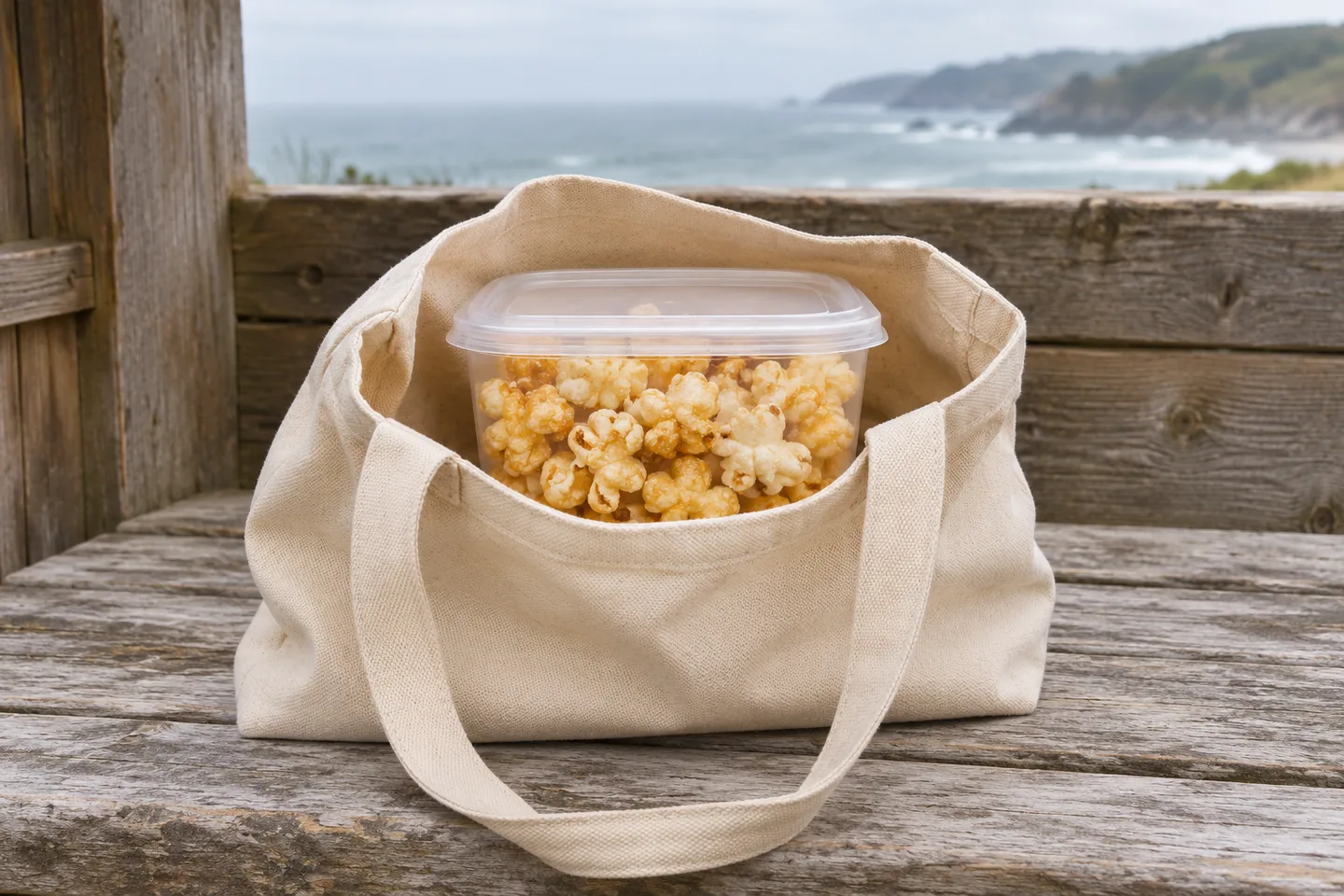
Choose the eating spot before opening the bag
For a coastal day trip, eat kettle corn at a sheltered, permitted stop and keep the unopened supply inside your tote. A picnic table, bench, or another suitable spot away from blowing sand can make the snack easier to manage than a large open bag on the beach.
Decide where to eat after you see the conditions. You can save the popcorn for a later stop if wind keeps lifting your napkins or blowing sand across the food. Avoid making the snack depend on reaching a particular beach at a particular time.
Check the destination's current access information and visitor rules before leaving. Plan food around the places where you are allowed to stop, then give yourself room to change that plan.
Open a small amount at a time
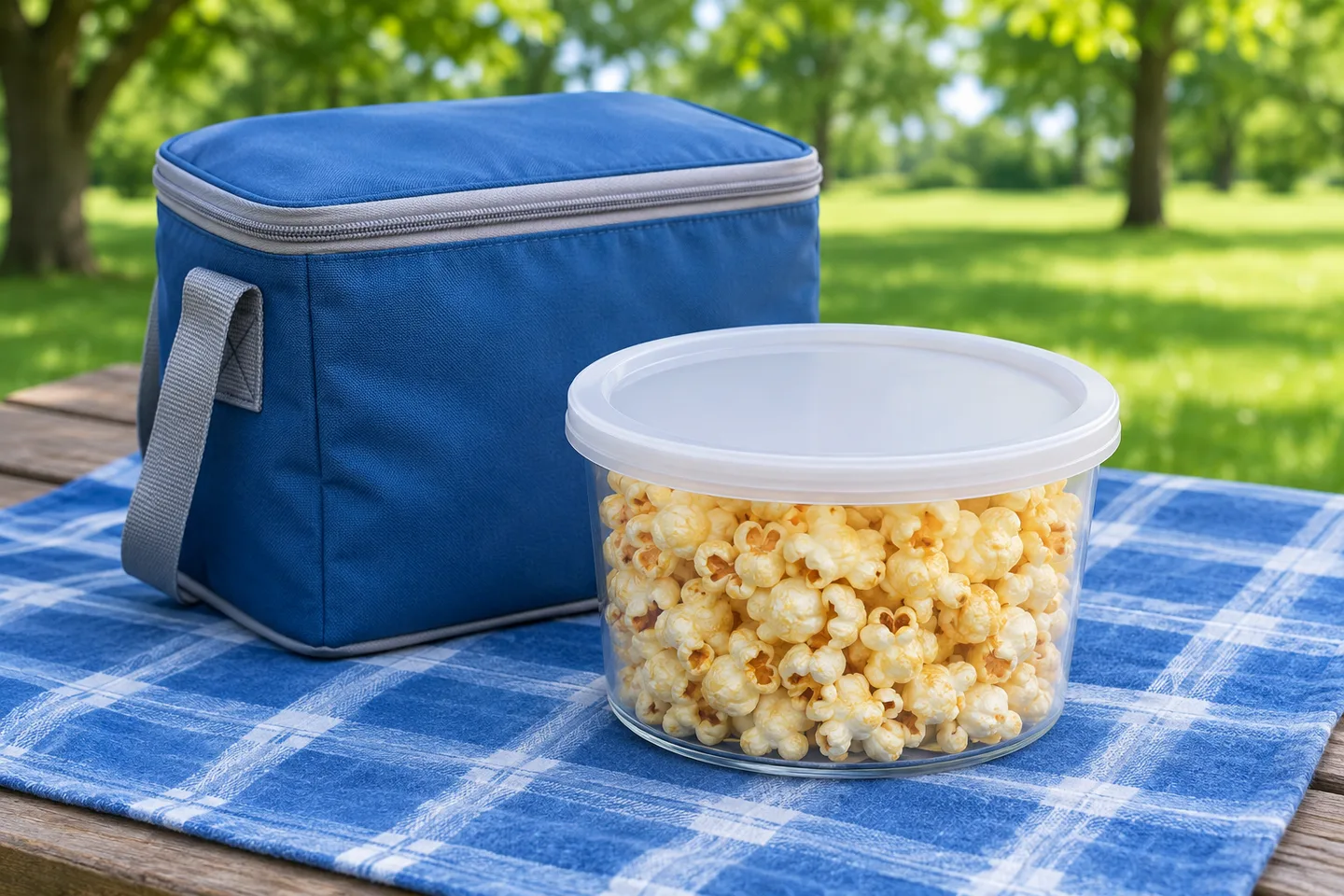
Choose a food-safe container with a secure lid and an opening you can cover between servings. Take out a small portion for the current stop. Keep the reserve sealed so you can finish the break without handling the full supply.
A broad, shallow bowl leaves more of the snack exposed. A smaller container may be easier to hold, but check that people can reach the popcorn without tipping it. If you use separate containers, let each person keep track of their own lid.
Keep the original product label with the packed supply. Read the storage instructions before the trip and protect the dry snack from wet towels and drinks. For a drive with several stops, the packing plan at https://pnwkettlecorn.com/blog/road-trip-kettle-corn/ explains how to separate the outward and return supplies.
Use a tote with enough structure to keep the container upright. Put water bottles in another pocket, and avoid tucking the popcorn under heavy shoes or beach gear.
Keep sand out of the serving routine
Set the closed tote on a clean, stable surface while you get ready to eat. Keep its opening off the sand. Store lids where they will stay clean, rather than putting them beside wet shoes and then replacing them on the food container.
Plan a way to clean your hands before eating. Sand on fingers can end up on the lid, the rim, and the next handful of popcorn. If the group wants to share, pour individual portions instead of passing a bag around while everyone is still handling beach equipment.
Give one person space to serve while the others put down their belongings. A few moments to organize the stop can save repeated opening, closing, and searching through the tote. Once everyone has a portion, close the reserve and put it away.
Leave with the wrappers and the crumbs
Keep a waste bag inside the tote and use it as soon as you open any packaging. Do not set empty wrappers beside you while you finish eating; you may have to chase them if the wind rises.
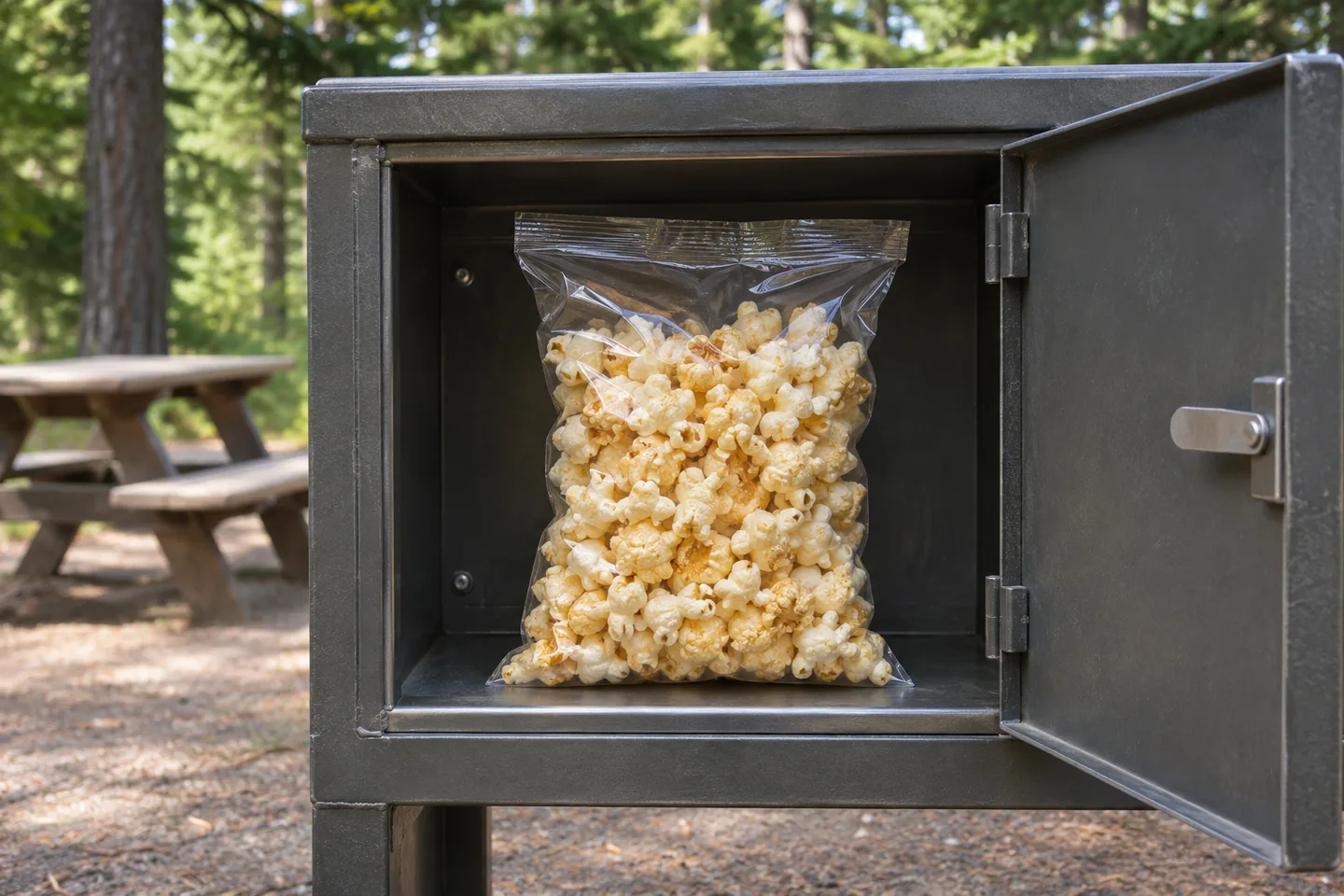
Do not offer popcorn to gulls or other wildlife. The National Park Service tells visitors not to feed wildlife and to collect food scraps: https://www.nps.gov/articles/camp-safety-during-your-stay.htm. Follow the destination's food-storage and waste rules, and keep the food attended. An ordinary sealed container is not animal-resistant storage.
Check under the bench or table and around your belongings before leaving. Collect dropped pieces, close the tote, and keep damp beach items separate for the drive home. Unpack the remaining food when you return, using its own storage directions.
A little sweet. A little salty.
Always worth sharing.
Find your next handful.
Explore the current flavors and see what’s popping around the Northwest.