Popcorn Basics
Why Some Popcorn Kernels Do Not Pop
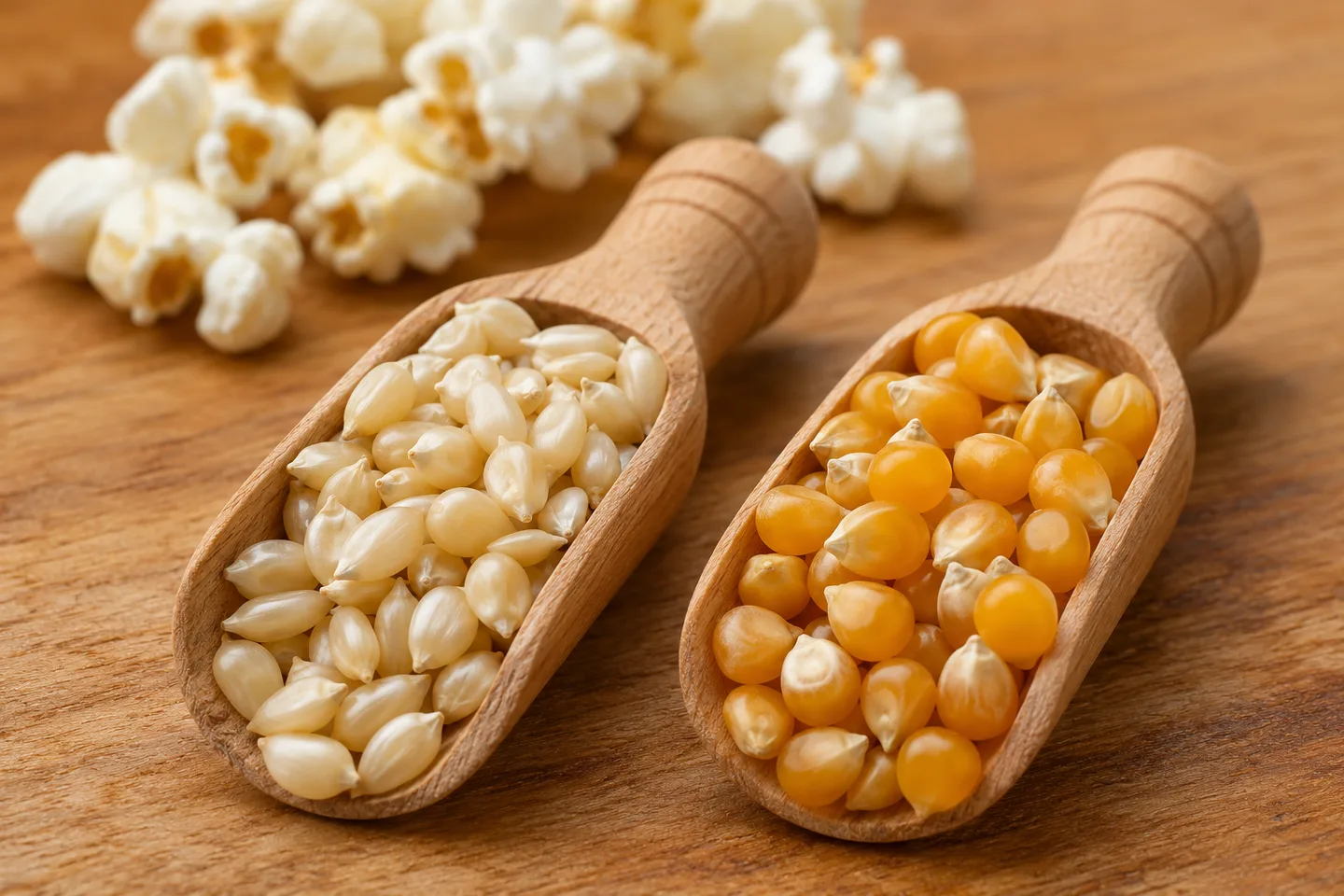
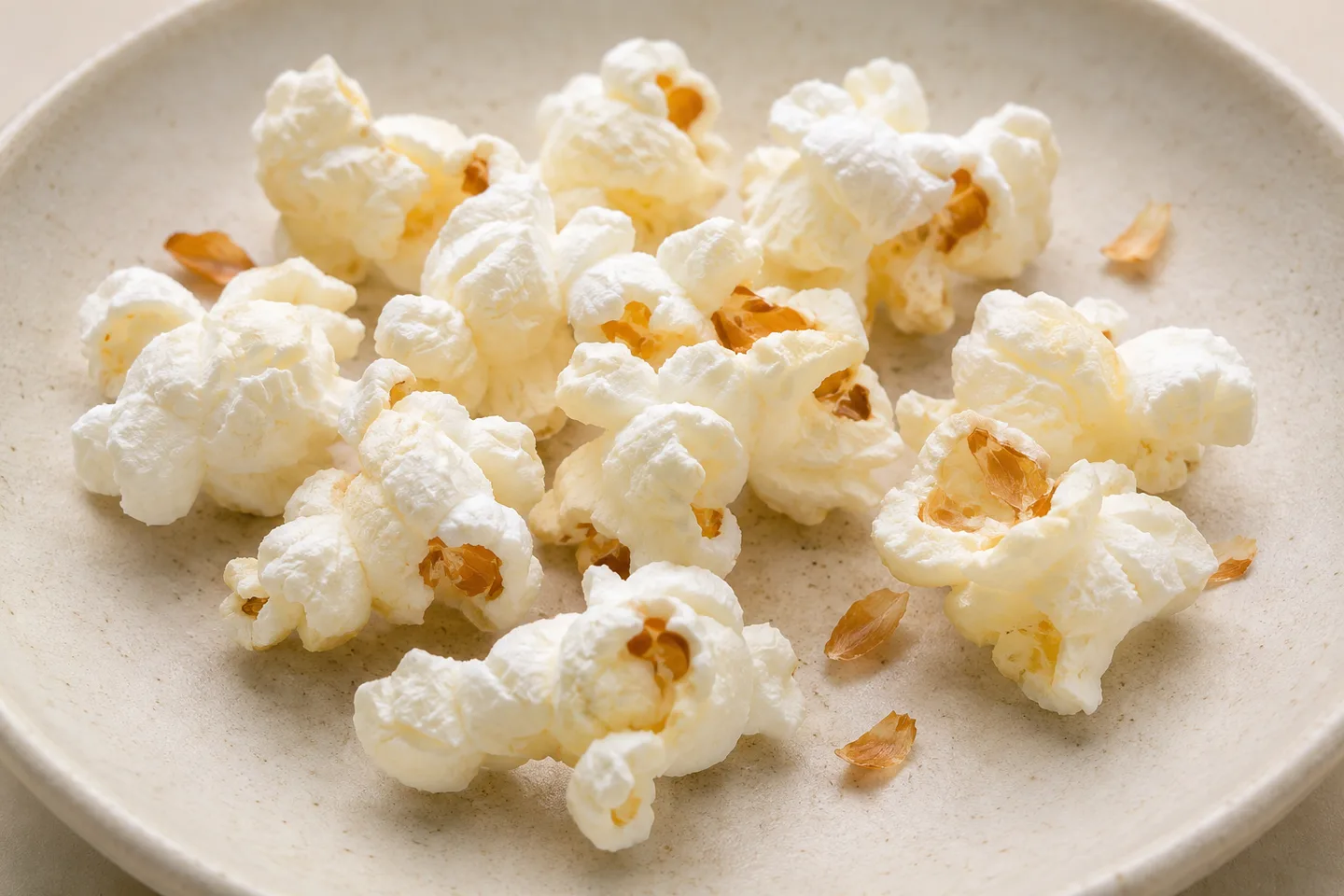
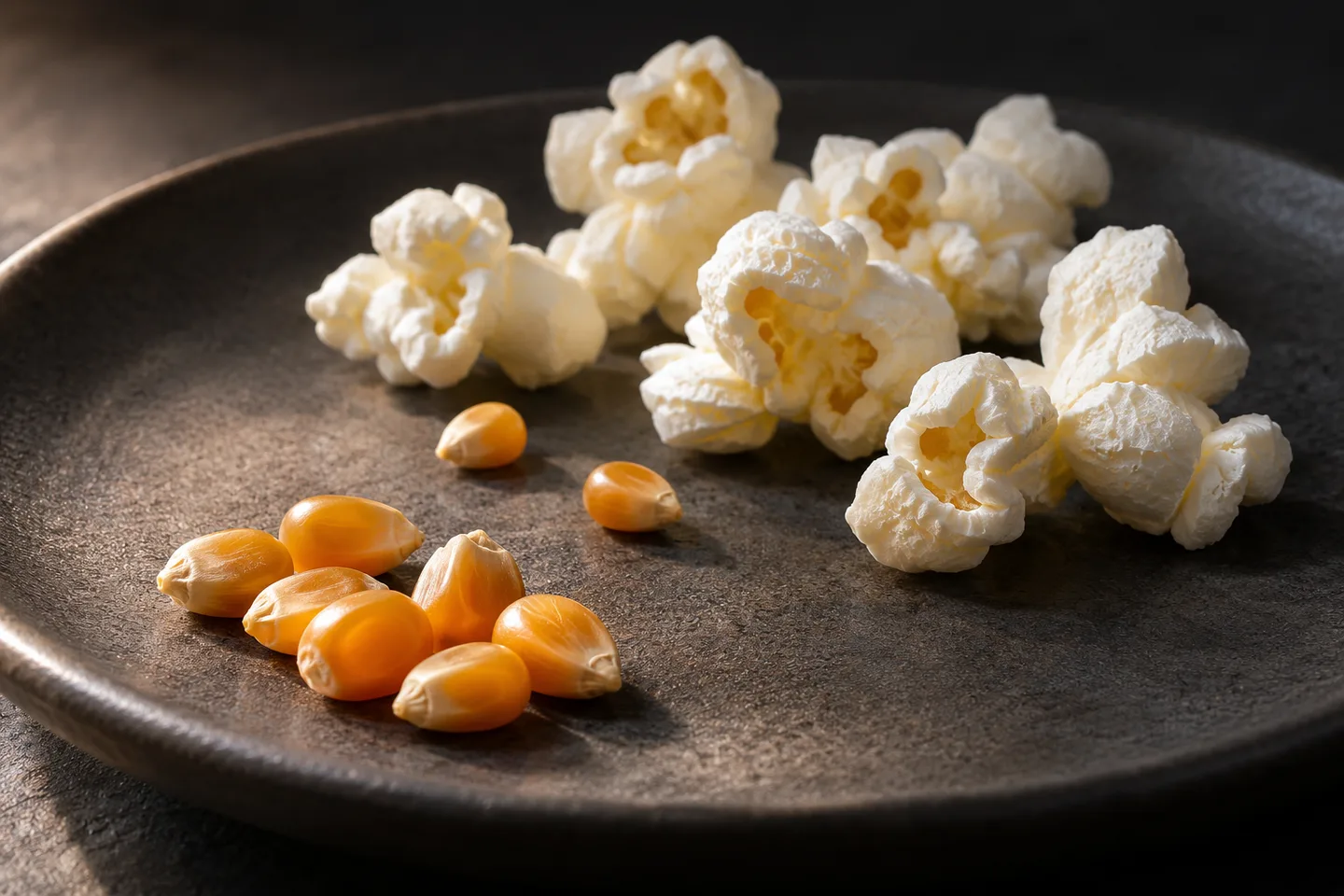
A few hard kernels can remain after popping. Check the product format, storage, and cooking directions before deciding what went wrong with a batch.
First, identify what you bought
A bag of raw kernels and a bag of finished kettle corn need different handling. Raw popping corn is an ingredient you prepare. Ready-to-eat kettle corn has already been cooked and flavored. If a purchased snack contains hard kernels, set those pieces aside; do not treat the bag as a fresh batch of raw popping corn.
That distinction matters when searching for advice. Instructions about preparing kernels apply to a raw product and a specified cooking method. Use those instructions for the raw product; do not reheat a sugar-coated snack in a popper or microwave its packaging.
Check the label for the product name and preparation directions before trying to solve the problem.
For raw kernels, look at storage
Popcorn needs moisture inside the kernel to pop well. The Popcorn Board recommends keeping raw kernels in an airtight container to limit moisture loss. Its preparation and storage guidance is at https://www.popcorn.org/Recipes/Preparing-Perfect-Popcorn.
Think back to the actual storage conditions. Did the original bag stay open in a warm cupboard? Did someone pour the kernels into an uncovered decorative jar? Those details can help you explain a change between batches. Follow the package's storage advice and keep the label when you transfer kernels into another container.
Airtight storage cannot tell you how a particular batch was handled before you received it. If a newly opened product performs poorly, retain the package and contact the seller with its identifying details. Avoid promising yourself that a home remedy will restore every kernel.
Check the method before adding more heat
Read the directions for both the popcorn and the equipment. Check the recommended batch amount, preparation steps, and stopping instructions. A larger quantity than the equipment allows can change the result, and a setting that worked for another product may not suit this one.
Stay with the batch while it cooks. When the directions tell you to stop, stop. Continuing to heat a bowl just to chase the last hard kernels can leave you with burned popped corn. Set aside the hard pieces after the batch has cooled.
Record one change at a time when you next prepare a fresh batch within the manufacturer's instructions. Keep the product, quantity, and equipment the same so you can tell what you changed. Keep using the approved setup for the appliance.
The bowl cannot diagnose every kernel
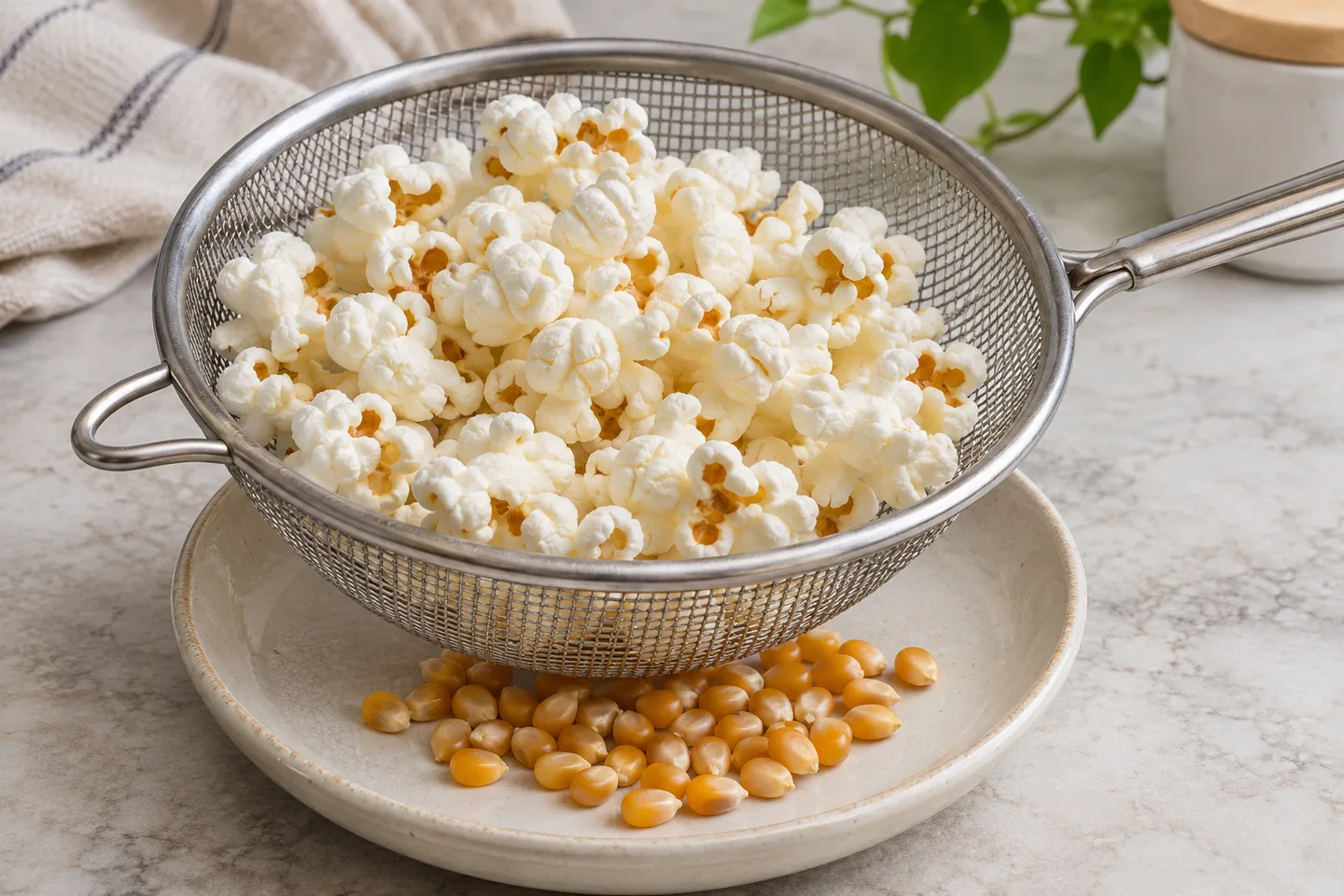
A hard piece at the bottom of a bowl shows that it did not fully pop. It does not reveal the exact reason. Moisture and preparation conditions can matter, but a quick look at the leftovers cannot distinguish every possible cause.
The Popcorn Board explains the pressure-and-hull process at https://www.popcorn.org/All-About-Popcorn/What-Makes-Popcorn-Pop. Use that background to ask better questions rather than to announce that an entire bag was old or defective. A seller may need the batch details and your preparation method to give a useful answer.
Serve the popped corn and retain useful details
Transfer popped pieces to the serving bowl with a scoop and leave obvious hard kernels behind. Check the bottom of the original container before tipping its final contents over the snack. Tell anyone helping you serve that the remaining hard pieces belong outside the bowl.
For an issue with purchased ready-to-eat popcorn, photograph the product and save the packaging, order reference, and any lot or date information. Describe what you found and ask the seller to assess it. Clear details help more than a guess about the equipment or ingredients used to make the snack.
A little sweet. A little salty.
Always worth sharing.
Find your next handful.
Explore the current flavors and see what’s popping around the Northwest.